Nayarit, Mexico — As Mexico honors 700 years since the founding of Tenochtitlán and prepares to celebrate Independence Day, the state of Nayarit is taking a moment to recognize its own place in the origin story of the Mexican nation. Long before the cannons of Hidalgo’s revolution echoed across the land, and centuries before Hernán Cortés laid eyes on the city of Tenochtitlán, the people of Nayarit were already shaping the trajectory of Mesoamerican civilization.
The story of Mexico’s Independence is incomplete without acknowledging its origin, and that origin, according to legend and historical codices, begins in Nayarit.
The Cradle of Aztlán
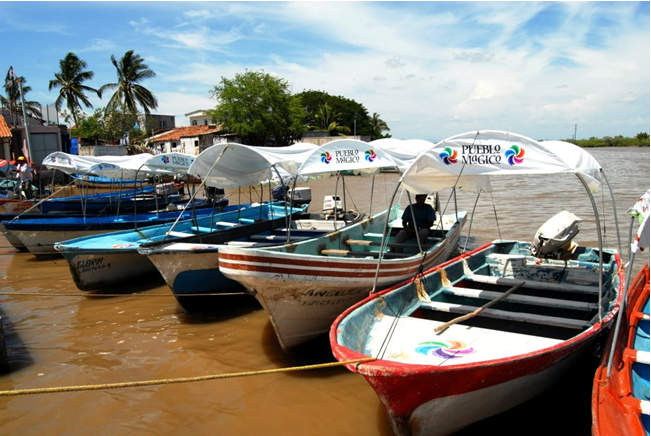
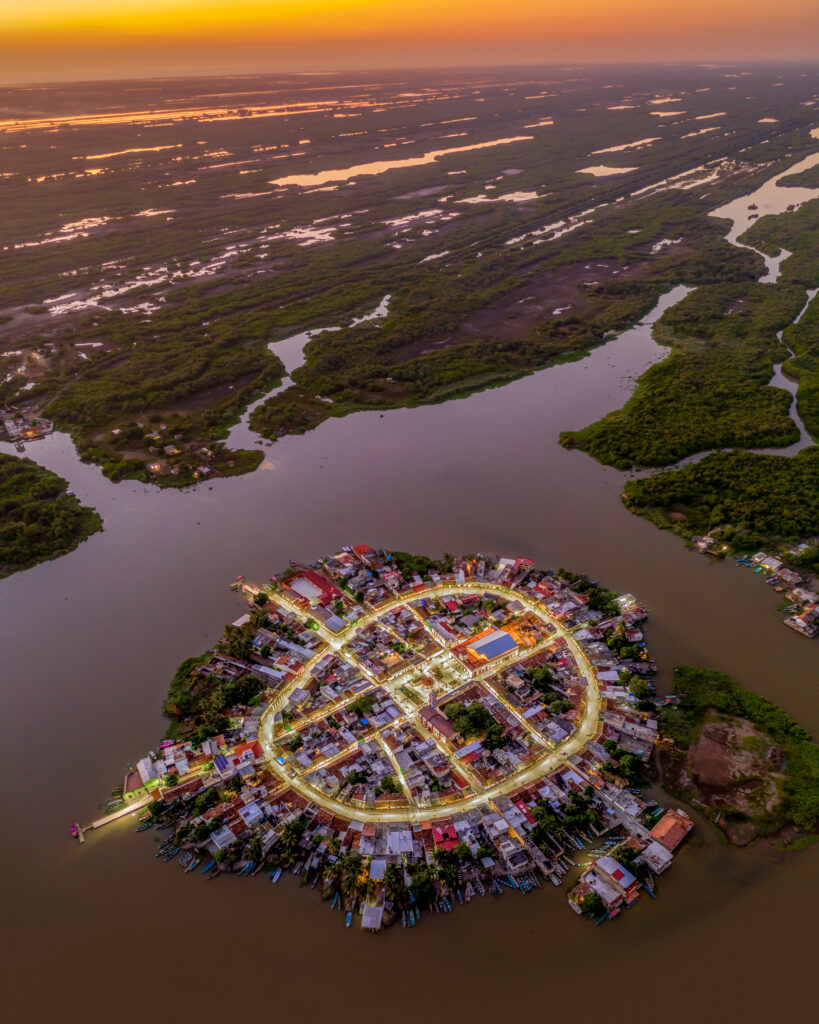
Located along Mexico’s Pacific coastline, Nayarit is not only a paradise of natural beauty and rich agriculture. It is also home to Mexcaltitán, a small island town often identified as the legendary Aztlán, the mythical homeland of the Mexica people.
Aztlán, which translates to “place of the herons,” is believed to be the point of origin for the Nahuatl-speaking peoples who would later become known as the Aztecs. According to the Boturini Codex, the Mexica departed Aztlán in the year 1116, under the guidance of their god Huitzilopochtli, in search of a promised land marked by a divine symbol: an eagle devouring a snake atop a cactus.
That journey would end some two centuries later in the Valley of Mexico’s 4th the founding of Tenochtitlán, now Mexico City, in 1325. But the journey began in what is now Nayarit.
Mexcaltitán’s structure, built on islets with intersecting canals, mirrors that of ancient Tenochtitlán. Artifacts found on the island, including a stone carving of a heron consuming a snake, strengthen the argument that this town is the birthplace of Mexicanness. Today, Mexcaltitán stands as one of Mexico’s officially recognized Pueblos Mágicos, offering visitors a glimpse into the past and a connection to the mythic roots of a nation.
Nayarit’s Role in the March Toward Independence
While Nayarit’s spiritual and cultural significance begins in myth, its historical impact on the country’s independence is grounded in fact. In 1810, when Father Miguel Hidalgo ignited the spark of revolution in Dolores, Nayarit quickly joined the cause. Local priest José María Mercado rallied insurgents and peacefully captured the capital city of Tepic in November of that year. He would go on to take control of the vital port of San Blas, only to be pushed back by royalist forces within a year.
Though Mercado’s campaign was ultimately short-lived, it signaled Nayarit’s unwavering spirit and readiness to fight for autonomy, a spirit that mirrors the determination of the Mexica people who crossed deserts and rivers to found Tenochtitlán. Independence for Mexico would come in 1821, and Nayarit would eventually be declared a federal state in 1917, following the Mexican Revolution.
From Ancient Empire to Modern State
Today, Nayarit thrives as a region where heritage and progress go hand in hand. Agriculture continues to be a bedrock of the economy, with fertile valleys producing tobacco, sugarcane, and tropical fruits. Small factories craft tequila, leather goods, and textiles, while a growing tourism industry invites visitors to explore the state’s 181 miles of coastline, world-class surfing spots, and pristine islands like the Las Marietas.
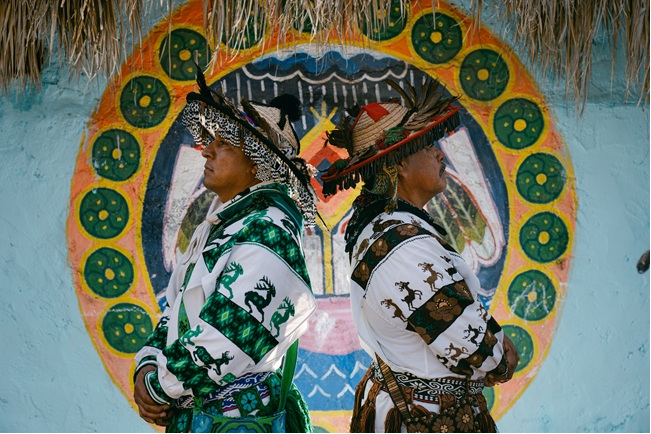
But beyond its natural beauty and economic potential, Nayarit remains a guardian of cultural memory. The Cora and Huichol peoples, direct descendants of the region’s earliest civilizations, still reside in the Sierra Madre Occidental, preserving sacred traditions and a deep connection to the land. Their presence is a living testament to the endurance of indigenous cultures in the face of colonization and change.
A Homeland Remembered
As Mexico City marks 700 years since the founding of Tenochtitlán, and the country prepares for its annual Fiestas Patrias, Nayarit invites all Mexicans and the world to reflect on the journey of the Mexica people from Aztlán to empire to independence.
It is a story that begins not in the Valley of Mexico but on the shores of Nayarit, where herons still glide over marshy waters, and where a humble island town continues to tell the origin story of a nation,
In Mexcaltitán, history is alive in daily life, in sacred stories passed down through generations, and in the national symbol that emerged from its mythic mudflats: an eagle, a snake, and the birth of Mexico.
Visit Nayarit: Where Mexico Began
This Independence Day, discover the land where the story of Mexico was first imagined. From the ancestral spirits of the Cora and Huichol to the birthplace of the Mexica migration and the revolutionary courage of Tepic, Nayarit is where myth meets history.
Getting to Nayarit Nayarit is easily accessible via the Riviera Nayarit International Airport in Tepic (TPQ) and the Bahia de Banderas International Airport (PVR), both offering direct flights from major U.S. cities and new direct routes coming from Canada this winter to TPQ.