Versión en Español Aquí
ST. AUGUSTINE, FL (August 18, 2025) — As the nation prepares to celebrate Hispanic Heritage Month from September 15 to October 15, Florida’s Historic Coast turns the spotlight toward a legacy that is not only rooted in the past but actively shaping the city’s present and future. In St. Augustine, the oldest continuously inhabited European-established settlement in the continental United States, Hispanic heritage is more than a historical fact. It’s a living, breathing force that powers tourism, inspires community, and drives sustainable development.
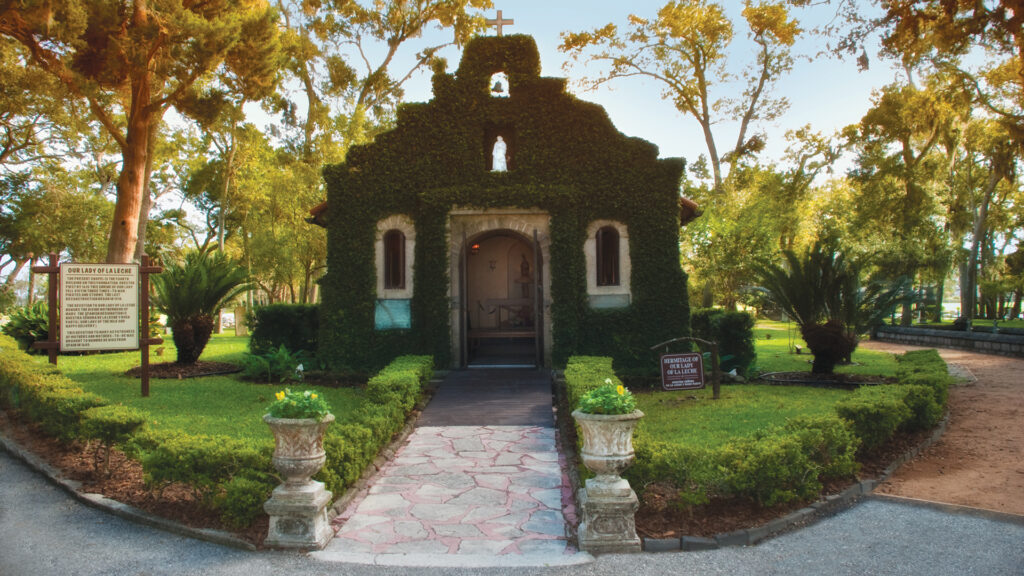
Founded by Spanish explorer Pedro Menéndez de Avilés in 1565, St. Augustine was built on Hispanic roots, which are still visible today in the city’s streets, majestic basilica, and landmarks like the Castillo de San Marcos and the Bridge of Lions. The city’s Spanish Colonial architecture, arched passageways, and courtyards form a picturesque backdrop, as well as tell a story of cultural identity, craftsmanship, and resilience that continues to influence every facet of the city’s growth.
A Heritage Made to Last
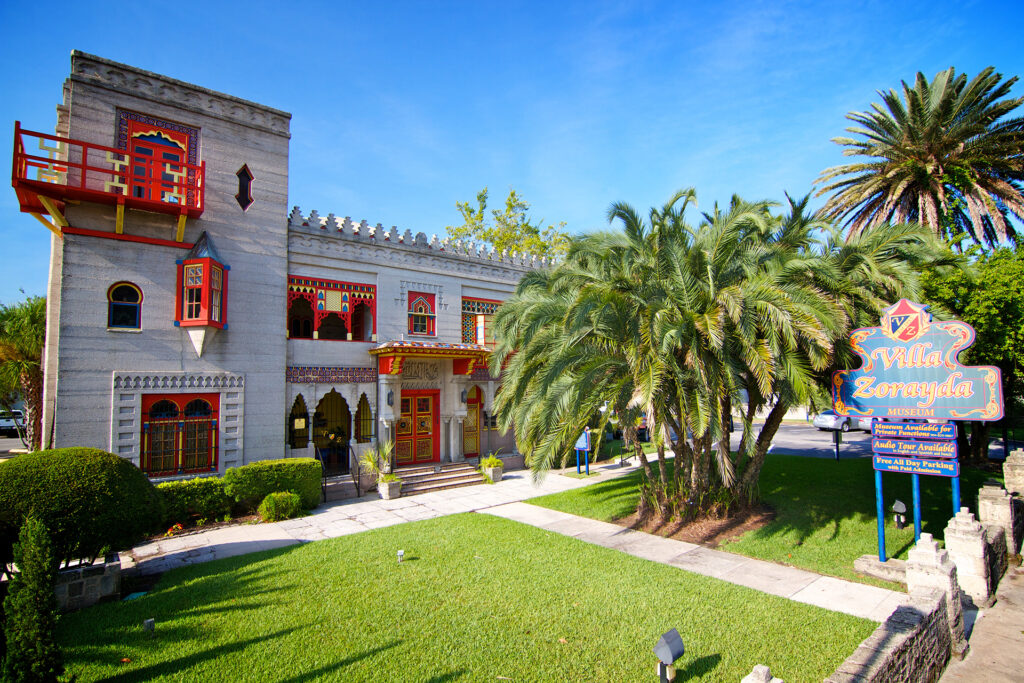
From the soaring towers of the Cathedral Basilica of St. Augustine to the ornate façades of the Government House, the impressive Mediterranean influenced grand hotels, the beautifully restored Casa Monica, The Alcazar (now Lightner Museum)and The Hotel Ponce de Leon (now Flagler College) each serve as a visual reminder of the region’s Hispanic influence. Even beyond the buildings, the city’s urban design, from its plazas and fountains to its fortress walls, embodies centuries-old planning that prioritized livability, community, and environmental adaptation.
These preserved structures are more than historical landmarks. Today’s St. Augustine is a fusion of the old and new, a place where history is interactive, contributing to a cultural tourism model that uplifts local businesses, educates visitors, and protects natural resources.
September Spotlight: Hispanic Heritage Events
St. Augustine’s Hispanic culture shines especially bright in early September with events that celebrate its living legacy.
Avilés Street Festival (Sept. 5 & 6): Enjoy live music, flamenco dancing, sword dueling, and art along the oldest European street in the U.S. Explore Spanish-era sites like the Ximenez-Fatio House and Father O’Reilly Museum, plus rarely seen courtyards and historic buildings.
Free admission. www.ximenezfatiohouse.org
Founder’s Day (Sept. 6): Commemorate the 1565 founding of St. Augustine with reenactments at Mission Nombre de Dios and a recreation of the first Thanksgiving meal at the Fountain of Youth Archaeological Park.
Mission event is free; park admission applies.
St. Augustine History Walks (Daily): Dive into 500 years of layered history on two-hour walking tours, offered daily at 10 a.m. and 2 p.m. Each route explores different parts of the historic district, from colonial landmarks to hidden cultural gems. Adults $30; kids free. www.statruehistory.com
Sightseeing and Touring: A Collection of Sites and Tours to Learn More
Discover the rich and vibrant Hispanic heritage of Florida’s Historic Coast, where centuries-old Spanish influences blend seamlessly with contemporary culture. Explore Aviles Street, Charlotte Street, and St. George Street, for history and attractions like the Spanish Military Hospital Museum, the Ximinez-Fatio House and the Father Miguel O’Reilly House Museum. Or take a guided tour in Espanol with St. Augustine Land & Sea Tours, by electric cart, walking, and by boat.
Fort Mose: A Symbol of Freedom and Unity
Fort Mose Historic State Park stands as one of St. Augustine’s most powerful symbols of cultural unity. Established in 1738, it was the first legally sanctioned free Black settlement in what is now the United States, founded by formerly enslaved people who escaped British colonies and were granted freedom by the Spanish Crown in return for their allegiance and conversion.
After 30 years of planning, a full-scale replica of the original fort now brings this pivotal history to life. Annual events, such as the Battle of Bloody Mose reenactment, unite historians, locals, and visitors in honoring those who fought for freedom.
Living Culture: Culinary Roots and Modern Flavor
St. Augustine’s Hispanic influence doesn’t end with architecture or landmarks. It’s also found in every bite. From tapas bars to Cuban sandwich shops and upscale Latin-fusion restaurants, the city’s culinary landscape is seasoned by centuries of tradition and contemporary flair.
Some of the area’s Latin insured restaurants include the Columbia Restaurant is an iconic landmark known for its traditional Cuban and Spanish dishes, Asado Life, an authentic Argentinian live fire grilling experience in a relaxing and scenic location on the San Sebastian River; La Cocina at The Cellar Upstairs, located above the San Sebastian Winery where Chef Norberto Jamarillo enthralls diners with international specialties ranging from shrimp and salmon ceviche to succulent escargot; the Spanish Bakery & Cafe that serves empanadas, picadillos, and pilau in an authentic outdoor colonial Spanish setting; and Paladar Cuban Eatery that brings fresh traditional made empanadas, croquetas and cubanos along with roasted lechon or bistec, or camarones, and a variety of authentic sides to the local palate.
A Thriving Hispanic Community
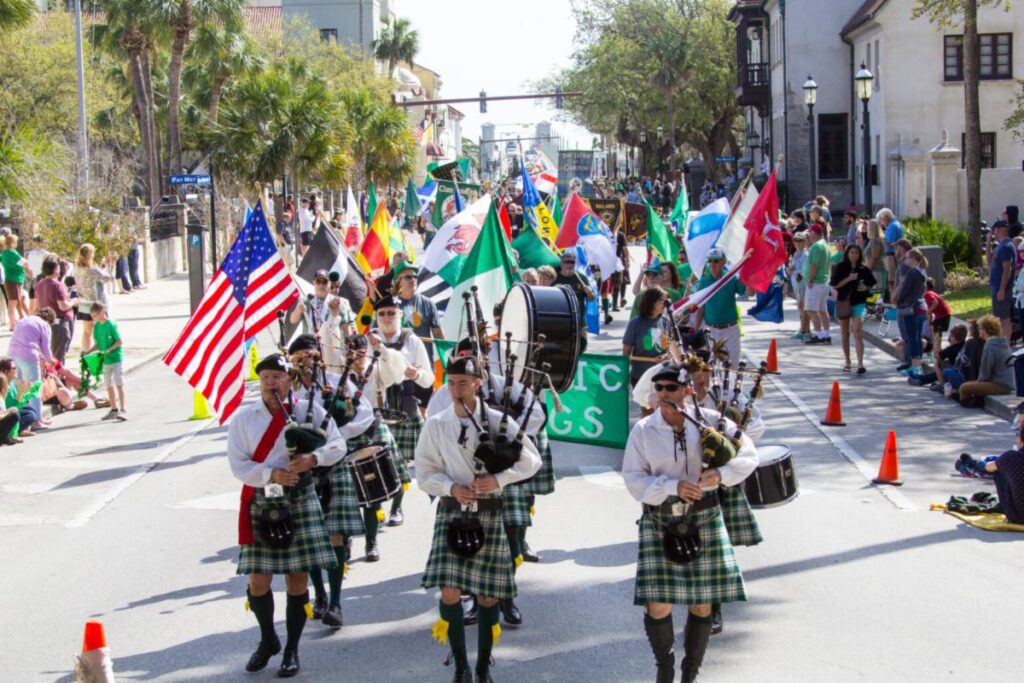
Today, nearly 20% of the U.S. population identifies as Hispanic or Latino, and in St. Augustine, that number is a driving force. Hispanic residents in the area are artists, teachers, entrepreneurs, elected officials, and activists. They are instrumental in creating a city that is inclusive, vibrant, and future-facing.
During Hispanic Heritage Month, local organizations host cultural festivals, art exhibitions, concerts, and culinary events that invite visitors and residents alike to celebrate the diversity of Latin American cultures. But these expressions aren’t limited to one month. Year-round, St. Augustine embraces the contributions of its Hispanic community through grants for Latinx artists, scholarships, business incubation programs, and collaborative efforts that prioritize cultural equity.
Sustainability Through Cultural Stewardship
In a world where over-tourism threatens the very attractions people come to see, St. Augustine offers a blueprint for responsible travel. Its focus on preservation, education, and community-based tourism ensures that the economic benefits of tourism are equitably shared, while its historic and natural treasures are protected for future generations.
Visitors to Florida’s Historic Coast can create their own itinerary using the quick and easy Know-It-All AI Assistant or trip planner at FloridasHistoricCoast.com.
Located midway between Daytona Beach and Jacksonville, Florida’s Historic Coast includes historic St. Augustine, the outstanding golf and seaside elegance of Ponte Vedra, the rural beauty of Hastings, Elkton, St. Johns, and 42 miles of pristine Atlantic beaches. Visitor Information Centers are located at 10 Castillo Drive, St. Augustine; 200 Solana Rd. Suite B, Ponte Vedra Beach: and at the St. Johns County Beach Pier Park, 350 A1A Beach Blvd., St. Augustine Beach. For advance travel information, call 1.800.653.2489 or go to the Visitors and Convention Bureau website at www.FloridasHistoricCoast.com. Check us out on social media Instagram @FloridasHistoricCoast; @ViajaStAugustine, Facebook.com/OfficialStAugustine, and Facebook.com/ViajaStAugustine and Twitter @FlHistoricCoast