Recognizing Juneteenth and Black history on Florida’s Historic Coast.
St. Augustine, Fla. (June 19, 2025)—Juneteenth commemorates the emancipation of enslaved people in the United States. Black history on Florida’s Historic Coast® spans centuries—from the nation’s original Underground Railroad to the historic protests and sit-ins led by Black activists that helped pave the way for the Civil Rights Act of the 20th century. Explore the places and spaces in St. Augustine that mark pivotal moments in the Black experience in the Nation’s Oldest City.
Celebrate with the St. Augustine Music Festival The St. Augustine Music Festival will host its fifth annual Juneteenth concert, celebrating history through music. Held June 19 at the Cathedral Basilica, this free concert honors Juneteenth, James Weldon Johnson’s birthday, and the 125th anniversary of “Lift Every Voice and Sing.”
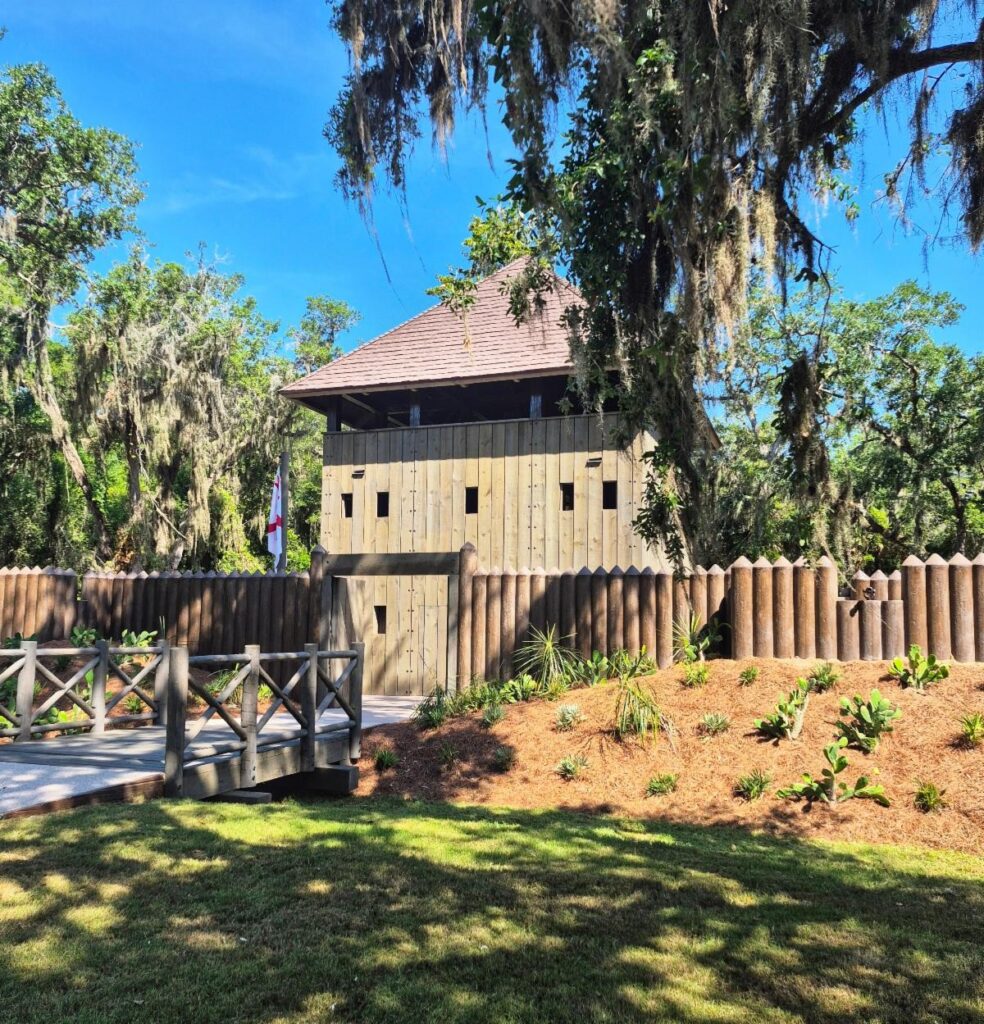
Fort Mose Historic State Park Established in 1738, the settlement of Garcia Real de Santa Theresa de Mose—now known as Fort Mose Historic State Park —was the first free Black settlement in the United States. Inhabited by former slaves who escaped through the original Underground Railroad, which flowed south from Georgia and the Carolinas, Fort Mose offered freedom and refuge. Today, Fort Mose Historic State Park is a historical and cultural destination, now featuring a newly opened reconstruction of the original fort structure.
The ACCORD Civil Rights Museum The ACCORD Civil Rights Museum features a compelling collection of artifacts documenting the contributions of St. Augustine residents who risked everything in the pursuit of equality, including the original Monson Motor Lodge sign marking the site where Dr. Martin Luther King Jr. was arrested. It is also the starting point for the self-guided audio tour: Admission is free and available by appointment only.
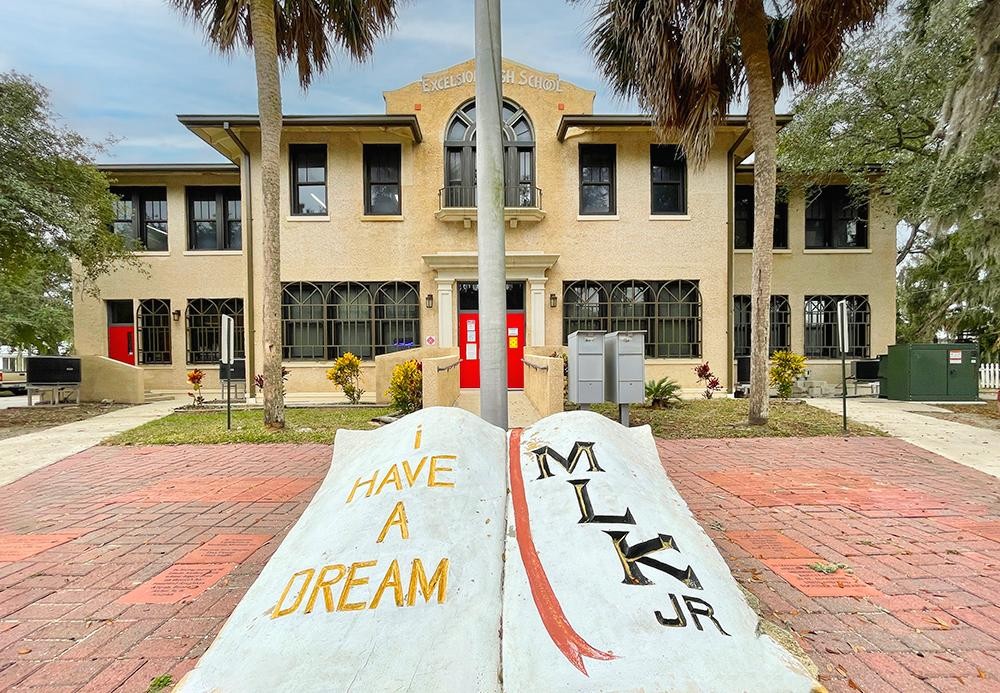
Lincolnville Museum and Cultural Center After the Civil War, many free blacks settled in a section of St. Augustine that came to be known as Lincolnville, in honor of Abraham Lincoln. It became a revolutionary center for the Civil Rights Movement of the 1960s, hosting leaders including Dr. Andrew Young, Dr. Martin Luther King Jr., and Zora Neale Hurston. The Excelsior School Building, home to the first public black school in St. Johns County in 1925, now houses the Lincolnville Museum and Cultural Center. It is an African American museum dedicated to preserving, promoting, and perpetuating over 450 years of the African American story through the arts, educational programs, lectures, live performances, and exhibits.
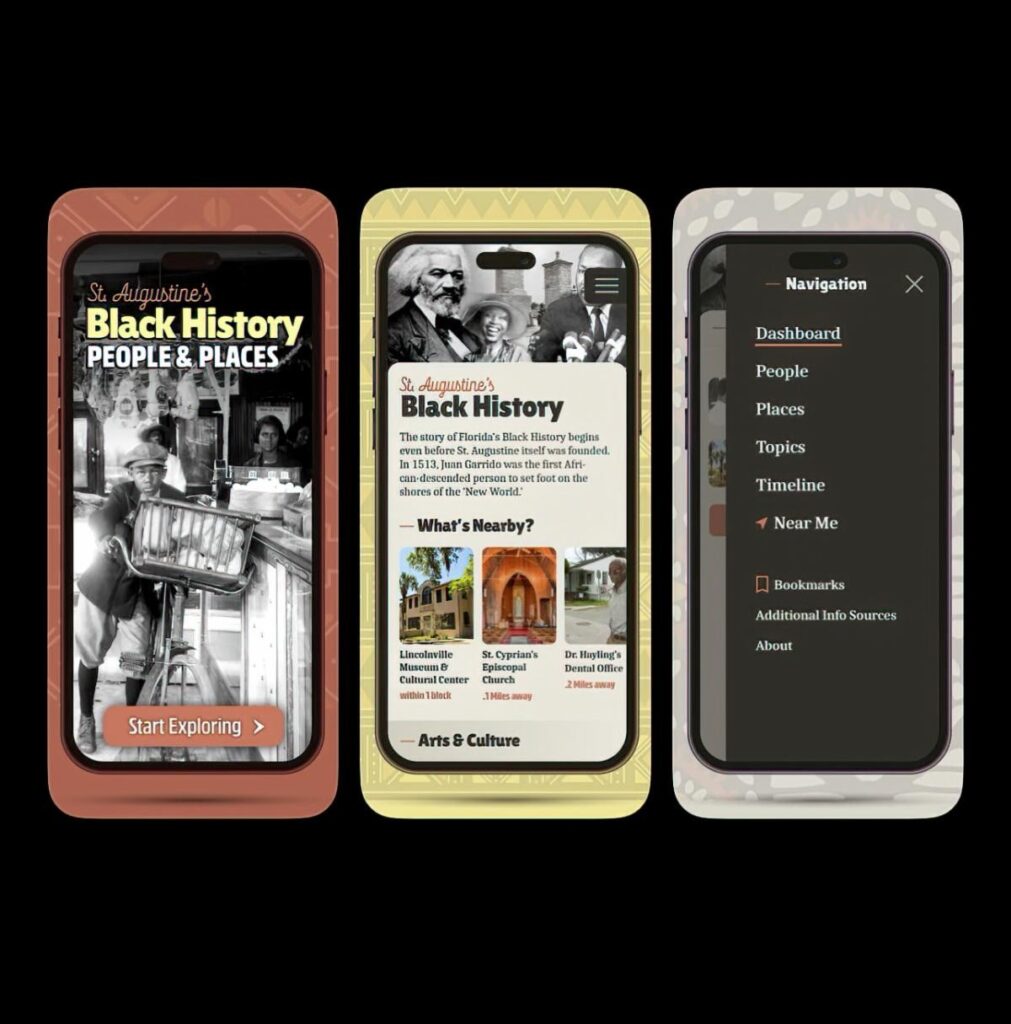
Use the Black History App and check out the Must-Do Experiences playlist to learn more about Florida’s historic coast and to create a personalized historic tour.
Located midway between Daytona Beach and Jacksonville, Florida’s Historic Coast includes historic St. Augustine, the outstanding golf and seaside elegance of Ponte Vedra, the rural beauty of Hastings, Elkton, St. Johns, and 42 miles of pristine Atlantic beaches. Visitor Information Centers are located at 10 Castillo Drive, St. Augustine; 200 Solana Rd. Suite B, Ponte Vedra Beach: and at the St. Johns County Beach Pier Park, 350 A1A Beach Blvd., St. Augustine Beach. For advance travel information, call 1.800.653.2489 or go to the Visitors and Convention Bureau website at www.FloridasHistoricCoast.com.