Mexico’s Pacific coast state invites travelers to look beyond the resort experience and discover Pueblos Mágicos, Indigenous traditions, community-led tourism, artisans and a culinary heritage rooted in place.
Riviera Nayarit, Mexico – August 13, 2026 — For many travelers, Nayarit begins with the Pacific: long stretches of beach, surf towns, jungle-covered mountains and the luxury resorts of Riviera Nayarit. But travel inland — or simply a few streets beyond the shoreline — and another side of the destination emerges.
This is a Nayarit shaped by artisans and traditional cooks, Indigenous communities, centuries-old towns, archaeological sites, religious celebrations and recipes passed from one generation to another.
As travelers increasingly seek experiences that offer a deeper connection to the places they visit, Nayarit is putting its cultural heritage at the center of the journey. Cultural, community and creative tourism experiences across the state invite visitors to participate rather than simply observe — meeting the people behind local traditions and discovering a side of Mexico that remains very much alive.
Nine Pueblos Mágicos, countless stories
One of the easiest ways to begin exploring Nayarit’s cultural landscape is through its nine Pueblos Mágicos, or Magical Towns: Sayulita, Compostela, Jala, Mexcaltitán, San Blas, Ixtlán del Río, Ahuacatlán, Amatlán de Cañas and Puerto Balleto in the Islas Marías.
Each offers a different window into the state.
In Compostela, colonial architecture, cobblestone streets and religious traditions recall centuries of history. Jala sits beneath the Ceboruco volcano, surrounded by an agricultural landscape where local traditions remain part of everyday life. San Blas combines a historic port, centuries of maritime history and one of Mexico’s richest birding environments.
Ixtlán del Río offers access to Los Toriles, one of western Mexico’s most important archaeological sites, while Ahuacatlán and Amatlán de Cañas introduce visitors to communities surrounded by mountains, farms and traditions rarely encountered on a conventional beach vacation.
Then there is Mexcaltitán, a small island community where streets become canals during the rainy season and fishing remains central to daily life. Often associated with legends surrounding Aztlán, the mythical homeland of the Mexica people, the town offers a particularly vivid combination of history, food and living tradition.
Even Sayulita, internationally known for surfing and its bohemian beach culture, tells a broader story through galleries, artisan shops, local food and the creative community that has developed alongside its waves.
From sightseeing to creating
Nayarit’s growing creative tourism offerings give travelers another way to experience the destination.
Instead of simply seeing a piece of pottery, tasting chocolate or purchasing a handmade object, visitors can meet the people who make them and, in some cases, learn the techniques themselves.
Workshops and locally led experiences across the state introduce travelers to pottery, traditional sweets, chocolate, regional cooking, crafts and other expressions of Nayarit’s heritage. The idea is straightforward: Turn the visitor from spectator into participant.
That approach also changes what travelers take home. A handmade object becomes more meaningful when its owner understands how it was made, while a regional dish tells a different story after meeting the cook who learned it from a parent or grandparent.
Creative tourism can also help keep tourism spending within communities, providing economic opportunities for artisans, guides, cooks, farmers and small businesses while creating an incentive to preserve the traditions travelers have come to experience.
Meeting the people behind the destination
Community tourism is playing a growing role in how Nayarit shares its culture.
The state has developed more than 70 tourism experiences connected to local communities, culture, nature and heritage, giving visitors opportunities to explore areas beyond the traditional resort corridor.
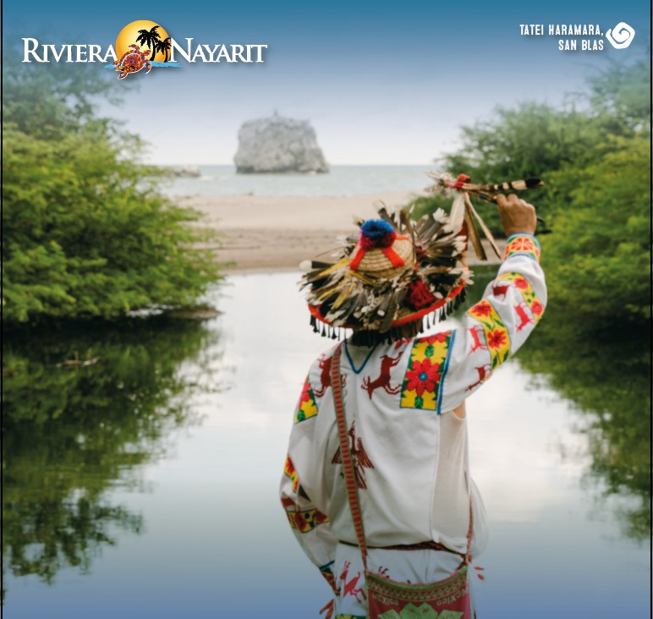
Central to that story are Nayarit’s Indigenous peoples, including Wixárika, Na’áyeri, O’dam and Mexicanero communities.
Their art, ceremonies, food, spirituality and relationship with the natural world form an essential part of Nayarit’s identity. In the Sierra del Nayar, community-led experiences can provide travelers with carefully managed opportunities to learn about Indigenous history and traditions directly from the people who preserve them.
The emphasis is on cultural exchange rather than performance. Experiences are developed around the protocols and wishes of the communities themselves, creating opportunities for visitors to learn while helping ensure that tourism respects the traditions it seeks to celebrate.
Religious and ceremonial traditions offer another window into this heritage. Cora Holy Week, for example, brings together Indigenous beliefs and Catholic traditions in ceremonies that have evolved over centuries and remain an important expression of Na’áyeri cultural identity.
Art that tells a story
For travelers, one of the most visible introductions to Nayarit’s Indigenous heritage comes through its artisans.
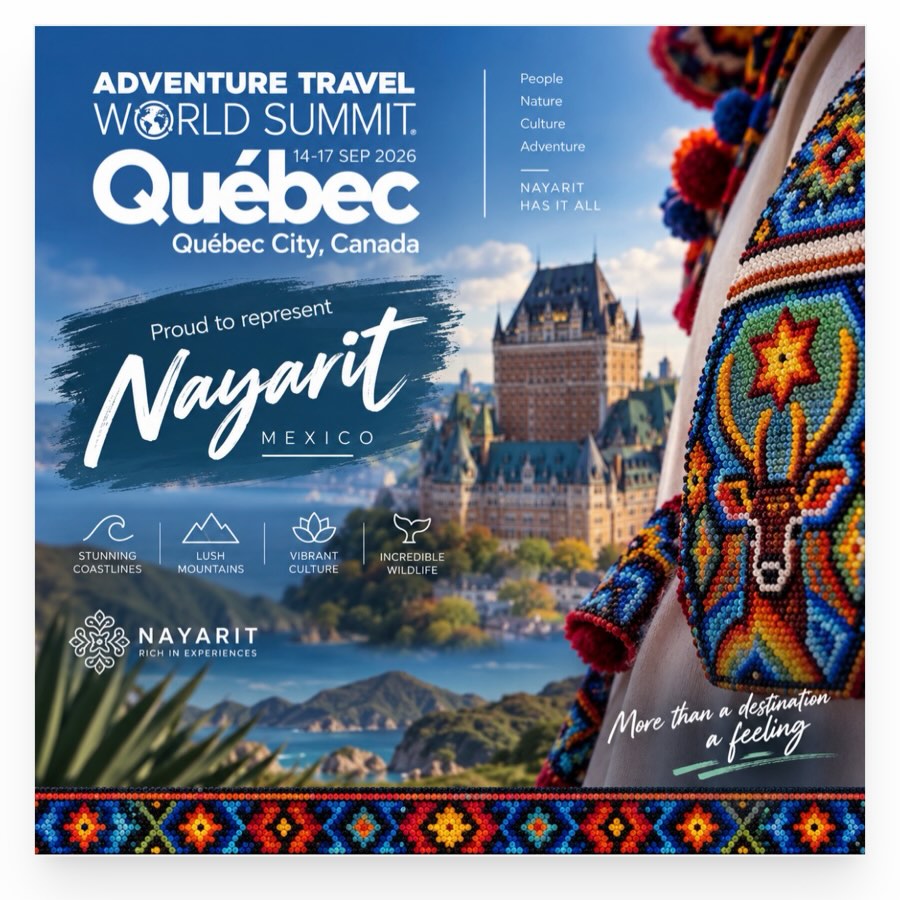
Wixárika beadwork and yarn art are instantly recognizable for their vivid colors and intricate patterns, but their beauty is only part of the story. Animals, plants, corn, deer and other symbols can carry spiritual and cultural meaning, turning individual works into expressions of a broader worldview.
Across Nayarit, hundreds of artisans and producers work to preserve and reinterpret traditional techniques through beadwork, textiles, pottery, jewelry, woodwork and other crafts.
Meeting an artisan can transform the experience of buying a piece of art. Travelers gain an understanding of the hours of work involved, the symbolism behind a design and the cultural knowledge passed through generations.
It also creates a direct connection between tourism and cultural preservation: The people maintaining the tradition benefit directly from sharing it.
Nayarit on a plate
Culture in Nayarit is just as likely to be encountered at the table.
Along the Pacific, generations of fishing communities have shaped a cuisine centered on the sea. Pescado zarandeado — fish grilled over an open fire, traditionally over mangrove wood — is perhaps the state’s best-known contribution to Mexican coastal cuisine.
Aguachiles, ceviches, shrimp and other seafood preparations change from town to town and kitchen to kitchen.
Travel inland and the menu changes with the landscape. Corn, tropical fruit, local cheeses, traditional sweets and regional beverages become part of the story, while coffee-growing communities connect visitors with another side of Nayarit’s agricultural heritage.
The state is also part of Mexico’s celebrated agave landscape. Tequila and raicilla production connect Nayarit with generations of agricultural knowledge and distilling traditions, while the recognition of Café Nayarit with a denomination of origin in 2026 further highlighted the relationship between the state’s geography, producers and culinary identity.
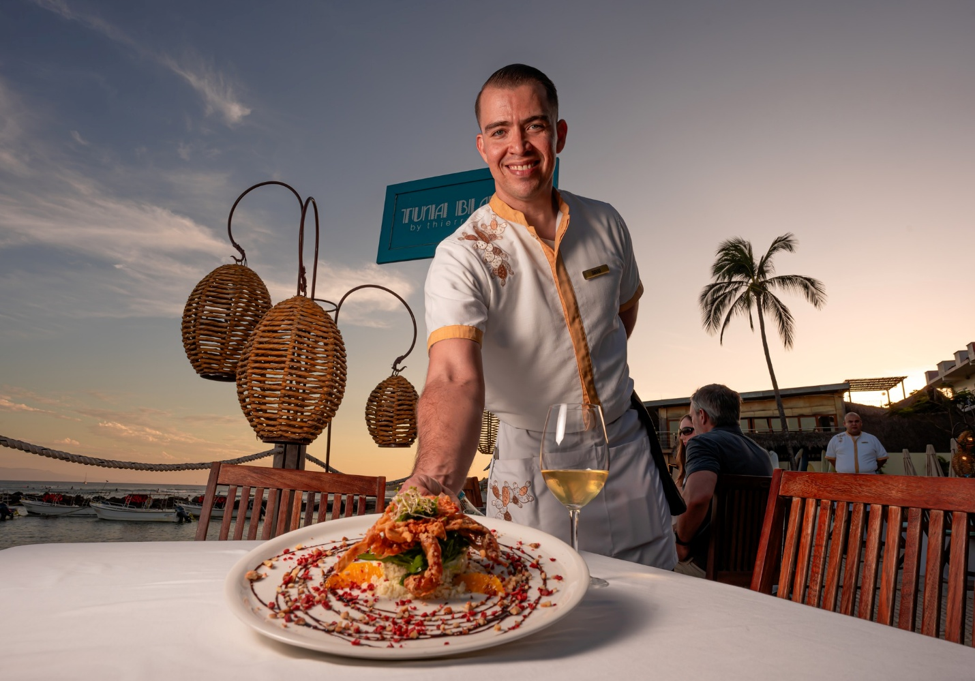
At the same time, contemporary chefs are drawing from those traditions to create a new interpretation of Nayarit cuisine, particularly along the Riviera Nayarit coast. Fine dining and traditional cooking may appear at opposite ends of the tourism spectrum, but both increasingly tell stories about local ingredients, producers and place.
Heritage beyond a museum
Perhaps the most compelling aspect of cultural travel in Nayarit is that much of what visitors encounter has not been created for tourism.
It is still lived.
It is found in a fisherman returning home to Mexcaltitán, an artisan carefully placing beads into a Wixárika design, a family preparing a traditional recipe, a religious celebration in a mountain community or a farmer working land cultivated for generations.
For North American travelers accustomed to knowing Nayarit through Punta Mita, Sayulita and the resorts of Riviera Nayarit, these experiences offer a reason to look farther.
The beach can still be part of the trip. So can the infinity pool, surf lesson and sunset cocktail. But they do not have to be the whole story.
With improved air access from the United States and Canada making the state increasingly accessible, Nayarit has an opportunity to introduce travelers to a destination where a Pacific getaway can also become a journey through Indigenous heritage, archaeology, gastronomy, craftsmanship and living traditions.
Because understanding Nayarit ultimately means meeting the people who call it home.
###
About Nayarit
Located on Mexico’s Pacific coast, Nayarit offers more than 200 miles of coastline along with mountains, islands, historic communities and a rich Indigenous heritage. The state is home to nine Pueblos Mágicos and tourism experiences spanning culture, community tourism, gastronomy, nature, adventure, wellness and luxury travel.
About ENroute Communications ENroute Communications is a New York-based public relations and destination marketing agency specializing in travel, tourism and hospitality. The agency represents destinations and travel brands across the United States, Canada, Mexico and Latin America, developing integrated communications strategies that include media relations, travel trade outreach, press and familiarization trips, strategic partnerships, events and brand activations. ENroute Communications serves as Nayarit’s public relations and tourism representation agency in the United States and Canada.